Primary School Wing: Curiosity Finds Its Wings
Fostering environmental consciousness, conceptual mathematics, and active inquiry. Here, lessons are not just memorized—they are observed, discussed, and connected to the real world.
Classrooms Named After Nepal’s Perennial Himalayan Rivers
Hajariya Kalpavriksha Secondary School uses a distinctive naming system for class sections that weaves Nepal’s geography and environmental heritage into everyday student life. Rather than detached letter labels, our classes bear the names of Nepal's life-giving rivers—such as **Grade 2 Mechi** and **Grade 2 Mahakali**.
This cultivates geographical literacy, water conservation awareness, and regional pride from the earliest primary years.
Class 5 Collaborative Learning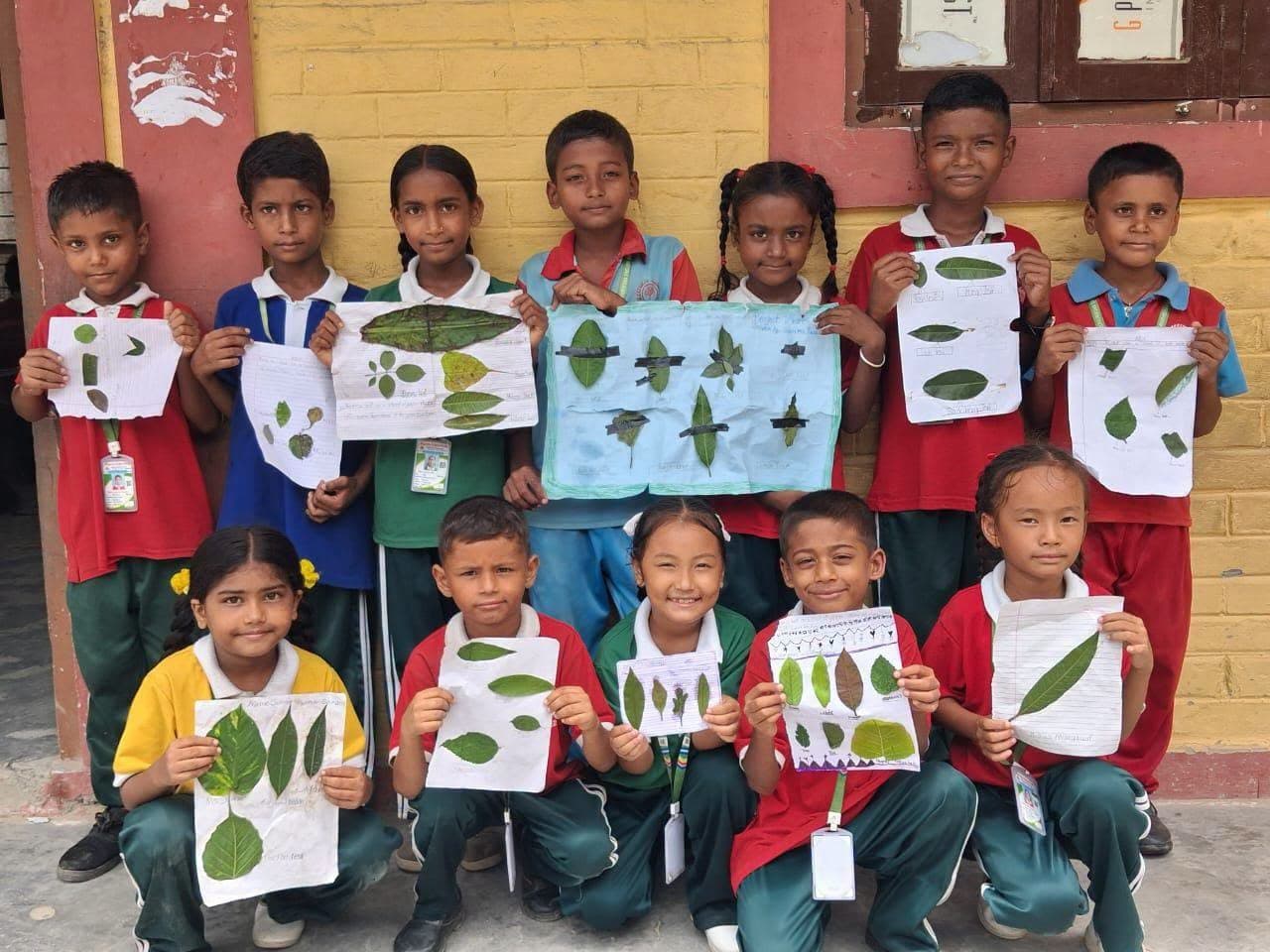 Botanical Science Project
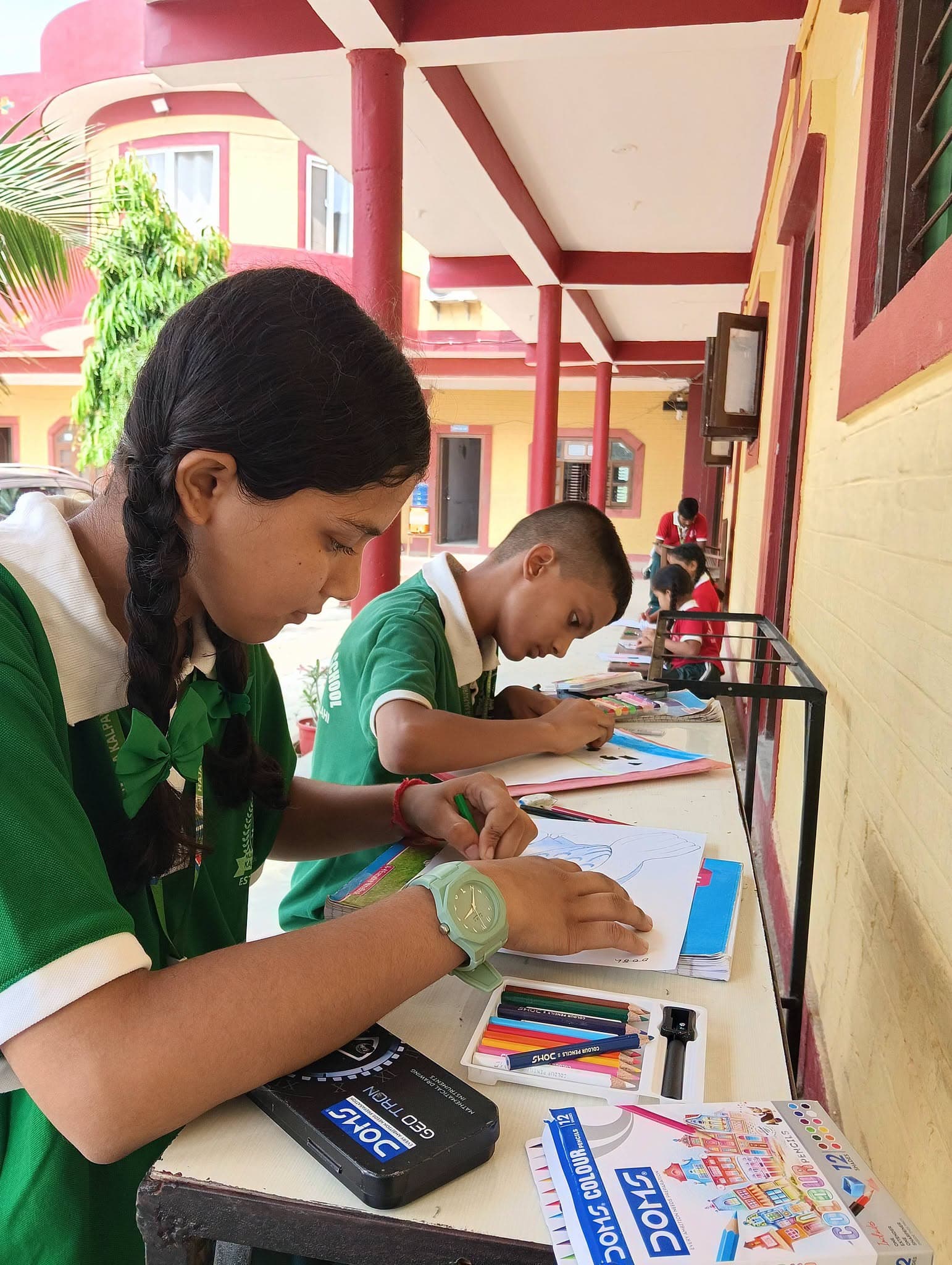 Creative Arts & Expression
Experiential Science & Environmental Inquiry
Science in the primary wing moves beyond textbook diagrams into tactile observation, physical modeling, and real outdoor exploration.
Metamorphosis: Life Cycle of a Butterfly
Students observe real caterpillar rearing trays and track the 4 stages: Egg → Larva (Caterpillar) → Pupa (Chrysalis) → Adult Butterfly, learning biology through direct living specimens.
Himalayan Sense Organs Lab
Interactive stations testing sight, hearing, smell, taste, and touch using local pinecones, herbal plants, and mountain sounds to foster ecological awareness.
National Paddy Day (Asar 15 Ropai)
Students wade into terraced muddy paddy fields to plant rice saplings, understanding soil aeration, root spacing, and Nepal's agrarian heritage.
Continuous Assessment System (CAS) & Merit Awards
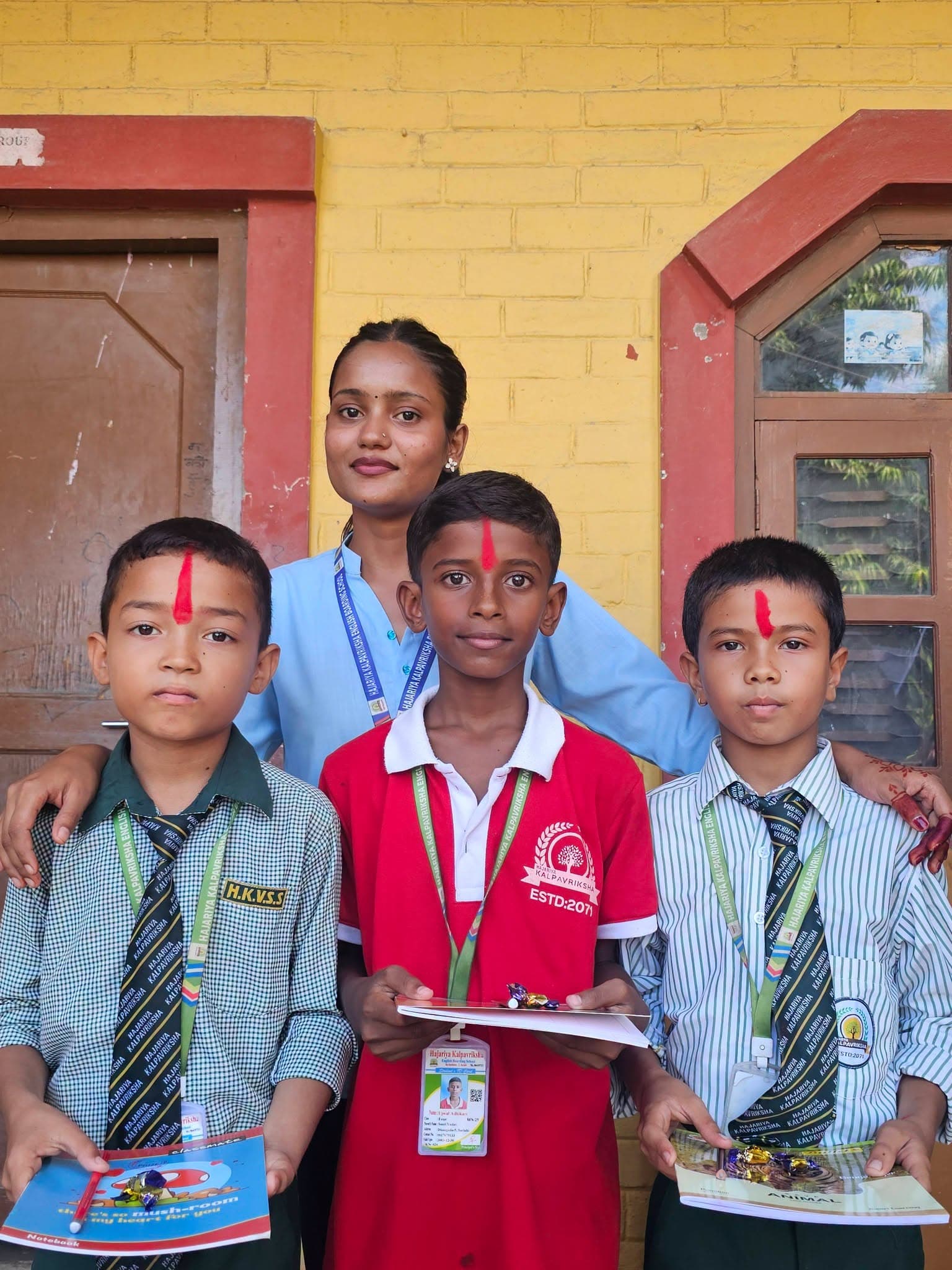
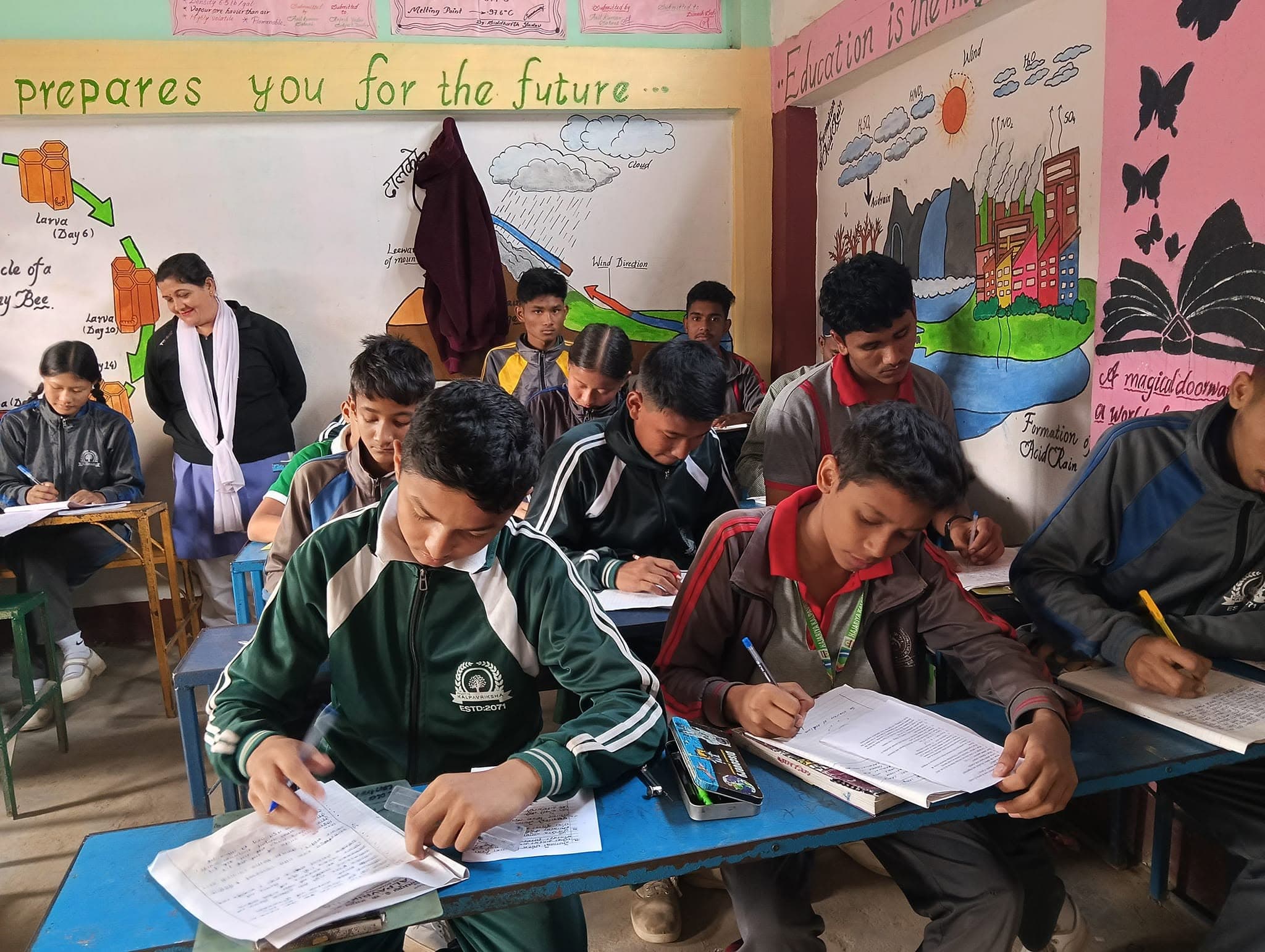
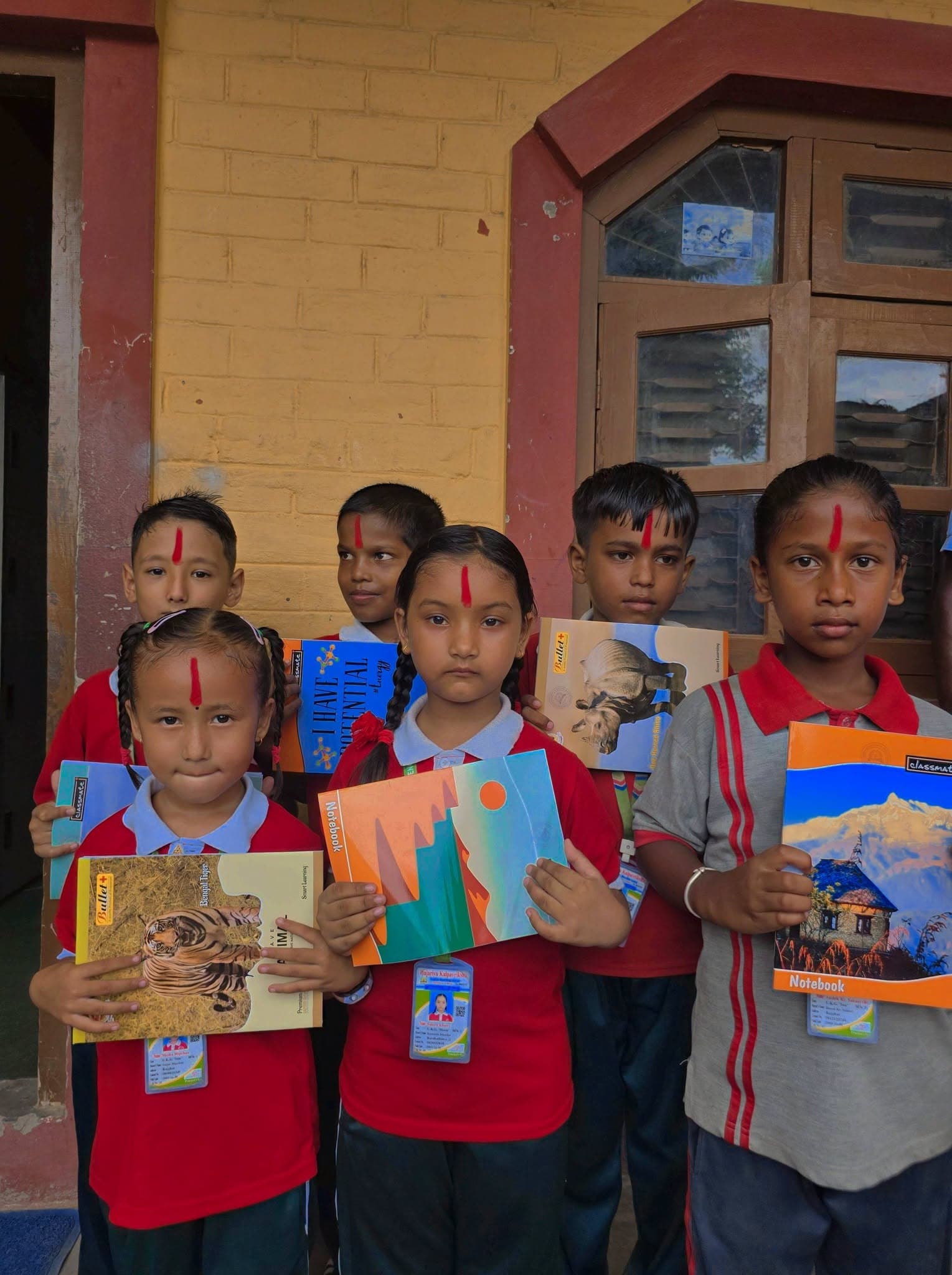
At HKVSS, primary education focuses on ongoing progress tracking rather than stressful annual exams. Regular diagnostic checkpoints, creative project presentations, and merit recognition ceremonies encourage every child to grow with confidence and joy.
Preparing Confident Learners for Secondary Excellence
See how our Primary River graduates transition into advanced science labs, SEE board distinction coaching, and student leadership in the Secondary Wing.